Academic Essentials: Creative Influencers 2026
Björk
Björk
Above video: Björk. (2022, September 6). Atopos [Video]. Youtube. https://www.youtube.com/watch?v=9FD2mUonh5s
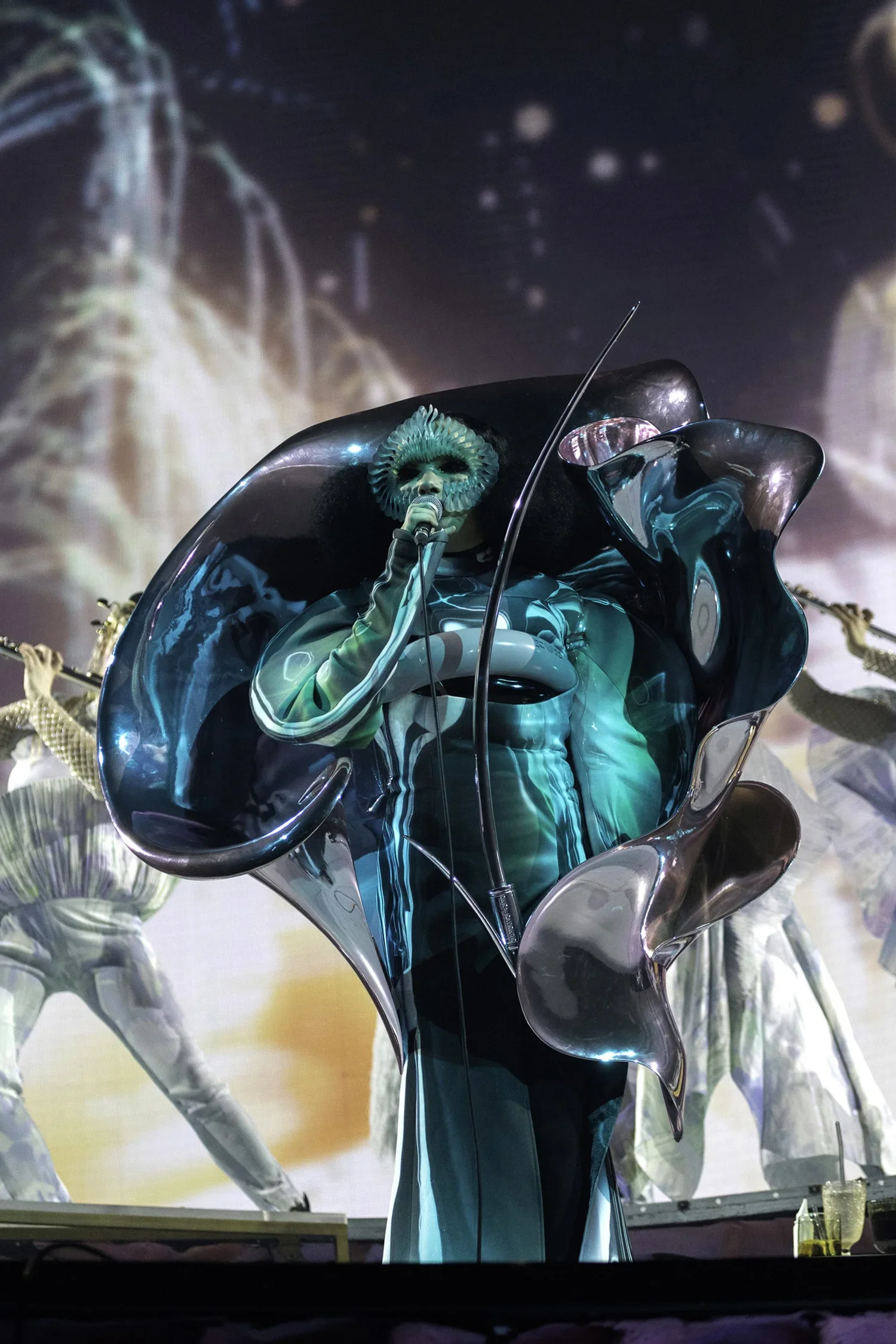
Figure 1. Björk performing her live show Cornucopia in Bordeaux, 5 December 2023. Photo by Santiago Felipe, all rights reserved. https://bjorktour.com/photos/cornucopia-bordeaux-5-december-2023
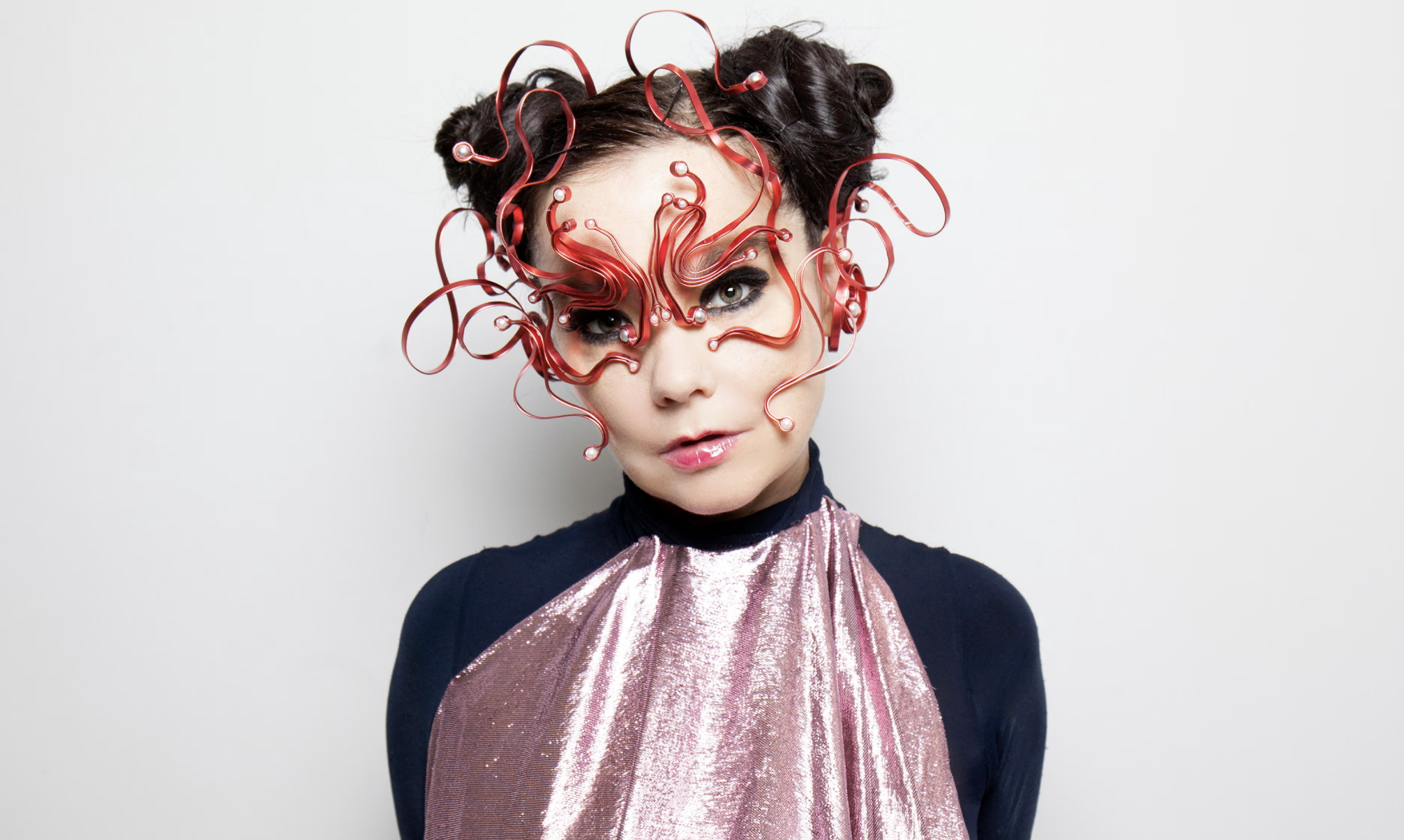
Figure 2. Björk. Photo by Santiago Filipe/Getty Images, all rights reserved. https://www.wmagazine.com/story/bjork-interviews-herself
Björk Guðmundsdóttir is an Icelandic singer, songwriter, and composer. She has been releasing music since she was a teenager in the 1980s, first with various punk bands then later with her avant-garde solo work, having now released ten studio albums.
Artist Timeline
Born Björk Guðmundsdóttir 21 November 1965 Reykjavík, Iceland.
She releases her first album Bjork aged 11 years old.
1985–1992: fronts punk band The Sugarcubes.
1993–1995: releases albums Debut and Post, making the leap to the start of her solo career.
1996–2000: releases album Homogenic and film Dancer in the Dark (film) - Björk starts getting mainstream US recognition. She stars in the film Dancer in the Dark and wins the Best Actress Awards at Cannes, but vows never to make another move again (Heath, 2011).
2004–2006: She creates Medúlla, an entirely vocal based album. Björk opens the 2004 Olympic Ceremony with her song Oceania.
2007–2010: Volta is her first album in the US Top 10.
2011–2016: releases albums Biophilia and Vulnicura - Björk pushes the reach of her music beyond just releasing albums and playing shows, creating resources and experiences that challenge how the public view music. Her album Biophilia is released as an app album, alongside an eduation programme for children that explored the intersection of music and science (Pelly, 2012).
2017–present: releases Utopia, Cornucopia, and her latest album Fossora. Utopia was nominated for Best Alternative Music Album at the 61st Grammy Awards (her 15th nomination). Despite vowing to never act again after working with Lars von Trier on Dancer in The Dark, she stars in Robert Eggers’ film The Northman in 2020. In 2024, a newly discovered large butterfly species was named Pterourus bjorkae in honour of Björk.
With sales of over 40 million records worldwide, Björk is one of the best-selling alternative artists of all time. Several of her albums have reached the top 20 on the US Billboard 200 chart. Thirty-one of her singles have reached the top 40 on pop charts around the world, with 22 top 40 hits in the UK. Her accolades and awards include the Order of the Falcon, five BRIT Awards, and 16 Grammy nominations (including nine in the Best Alternative Music Album category, the most of any artist). In 2015, Time named her one of the 100 most influential people in the world. Rolling Stone named her the 64th-greatest singer and the 81st-greatest songwriter of all time in 2023 (Wikipedia contributors, 2026).
Her Impact
It is the way that Björk creates her music that inspires me. She researches about the topics she is crafting her albums around, and is very considerate in the way that they are written, and who she collaborates with. While a lot of her earlier albums seem to be born of her exploring different genres and sounds, her later albums have some both deeply personal and also scientific roots. Her 2011 album Biophilia explored concepts such as molecular biology, geology, and how natural structures can mimic musical patterns. In the album Björk “starts to listen to the world that surrounds her, rather than to observe and to discursively colonise it.” (Susdorf, 2017). Her way of creating works almost has a symbiotic relationship with the earth, which reflects a lot of the indigenous methodologies that I have been learning about, such as Bjork (n.d) speaking to creating her latest album Fossora:
Each album always starts with a feeling
that i try to shape into a sound
this time around the feeling was landing on the earth
and digging my feet into the ground
…
how i experience the “now” is also woven into how it is written
this time around 7 billion of us did it together
nesting in our homes quarantining
our mutual “now” is being so long in one place
that we shot deep roots down
This quote makes me think of the Maori proverb: He tina ki runga, he tamore ki raro. In order to flourish, one must have strong roots below.
Bjork’s approach to creating her art has impacted the way that I am approaching my way of working towards my research project. She creates work that is unlike nothing else out there, and it is so undeniably her own - she does not care about sticking to the rules, even her own. She recognises the duality that most artists create work within, having personal structures and flagposts in your process but also the fluidity to change and adapt your methodology in the process of creation (Björk, 2024). My uncertainty in the way forward in my creation process is bolstered by the thought that I need not follow any rules, not even my own.
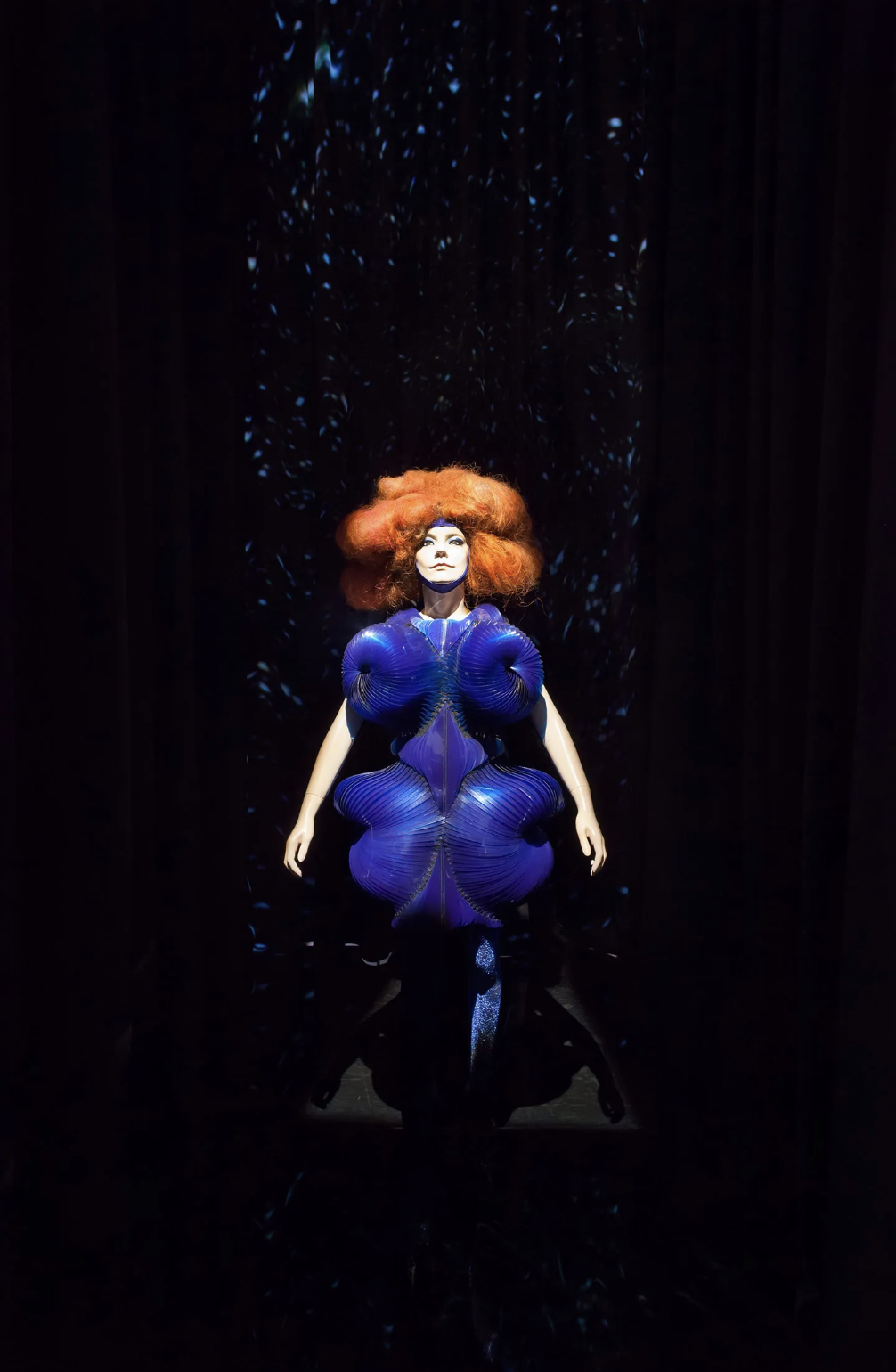
Figure 3. Björk. Photo by Jonathan Muzikar, all rights reserved. https://www.newyorker.com/culture/cultural-comment/moma-embarrassing-bjork-crush
Trick of The Light
Trick of The Light
Above video: Trick of The Light. (2023, 29 May). Trick of The Light website video [Video]. Vimeo. https://vimeo.com/831056889?autoplay=1&muted=1&stream_id=Y2xpcHN8MzA1MzczOTV8aWQ6ZGVzY3xbXQ%3D%3D
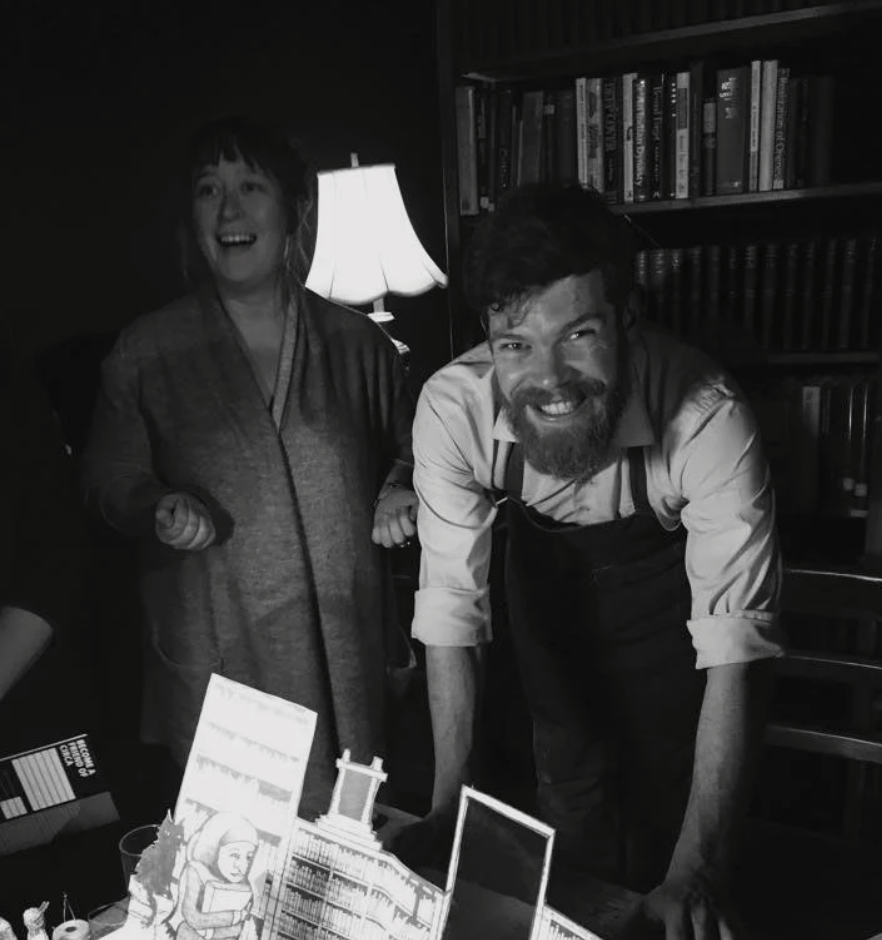
Figure 4. Trick of The Light. (n.d). Hannah Smith and Ralph McCubbin Howell. No photographer credited.
https://www.trickofthelight.co.nz/aboutus
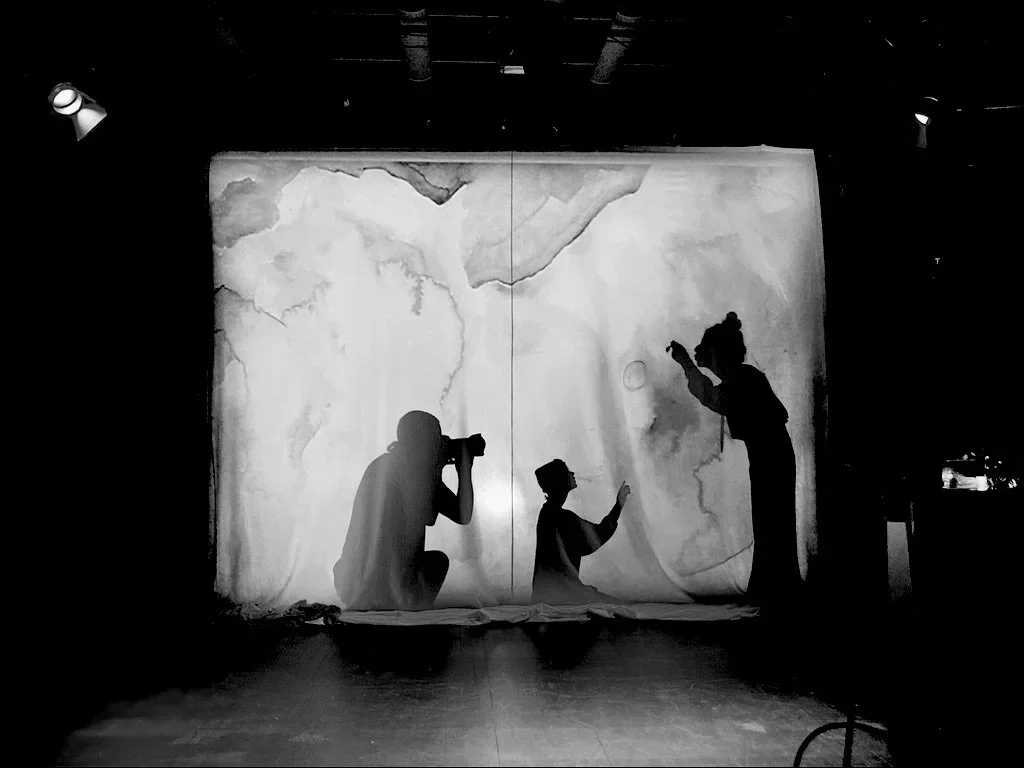
Figure 5. Trick of The Light. (n.d). The Griegol. No photographer credited.
https://www.trickofthelight.co.nz/shows/the-griegol
Trick of the Light are a theatre company based in Te Whanganui a tara, formed in 2011 by Hannah Smith and Ralph McCubbin Howell. They create quirky, inventive, playful theatre for adults and children.
Artist Timeline
2011: Their first show The Engine Room premiered at BATS Theatre in Te Whanganui-A-Tara. It was nominated for five awards at the Wellington Theatre Awards, winning Outstanding New Playwright (Wellington Theatre Awards, 2011).
2012: The Road That Wasn’t There was their first overseas season, presented at Edinburg Fringe.
2013: Their first national tour with The Road That Wasn’t There, which also won many accolades at the Wellington Theatre Awards. First major commission to produce Broken River at BATS.
2014: Their first Australian tour with The Bookbinder.
2015: Commissioned to create Beards! Beards! Beards! by Capital E. The company begins touring multiple tours a year, gaining accolades and sell-out seasons internationally.
2016: Their recognition as theatre makers grows, as they are commissioned to make The Devil’s Half-Acre for NZ Festival and are the first NZ artists to be programmed for the Edinburgh International Children’s Festival with The Bookbinder (Trick of The Light, n.d.).
2018-2019: the company tours multiple shows internationally to the UK, Canada, Australia, and NZ.
2020: It’s Behind You! rehearsed and performed over Zoom.
2021-2023: They create new show The Griegol, and perform excerpts of The Bookbinder with a full orchestra in collaboration with Auckland Philharmonia.
2024-2025: Trick of The Light have their Asian premiere with touring The Bookbinder to China. With support from Playmarket, Tour-Makers, and Manatū Taonga Ministry for Culture & Heritage, they create the Green Theatre Touring Guide as an in-depth and practical guide for creating sustainable touring theatre in NZ.
Their Impact
Trick of The Light have influenced me as an artist in many ways, but the one that has had the most impact is the green theatre making ethos that they create all their work by, and have worked hard to create resources for other creatives to make work in a more eco-friendly manner, and to be more aware of their emissions. In 2024, New Zealand’s gross emissions were 75.8 million tonnes of carbon dioxide (Ministry for the Environment, 2026), with 6.3 tonnes per person compared with the global average being 4.8 tonnes (Worldometer, n.d). This is a wake up call that we are not as clean and green as we think.
I am so used to the wastefulness of traditional theatre making - huge sets that are made from new materials and then chucked in a skip at the end of the season, brand new costumes made from plastic fabrics, endless single-use consumables like tape that are used indiscriminately - that I hadn’t seriously thought about trying to change it into something that is not just a nice to have, but that
we must propose an entirely different system of understanding and valuing them: shifting mindset away from a quick means to an end, to the entire lifecycle of materials and their social, spiritual, emotional value will build towards long term sustainability. (Park, n.d).
It is also our duty in decolonising practices to help the planet recover from the damage that the colonial way of living has imposed. Waziyatawin and Yellow Bird (2012) state that as Indigenous peoples, their ancestors have known that the industrial colonial system is to blame for climate change and the destruction of their indigenous lands. I live on a land that my colonial ancestors deforested to create their farms, and now pollute from their agriculture runoffs. I also descend from a people who have had their lands destroyed for the benefit of the British Empire, such as Capel Celyn, a Welsh-speaking rural village in Wales that was seen as one of the last strongholds of traditional Welsh culture. The village was intentionally submerged in 1965 to create the Llyn Celyn reservoir to supply water to Liverpool, England, and is seen as a catalyst for Welsh nationalists for decolonisation (E. Wyn James, 2005). This inheritance gives me a sense of responsibility that this must be an essential part of my practice.
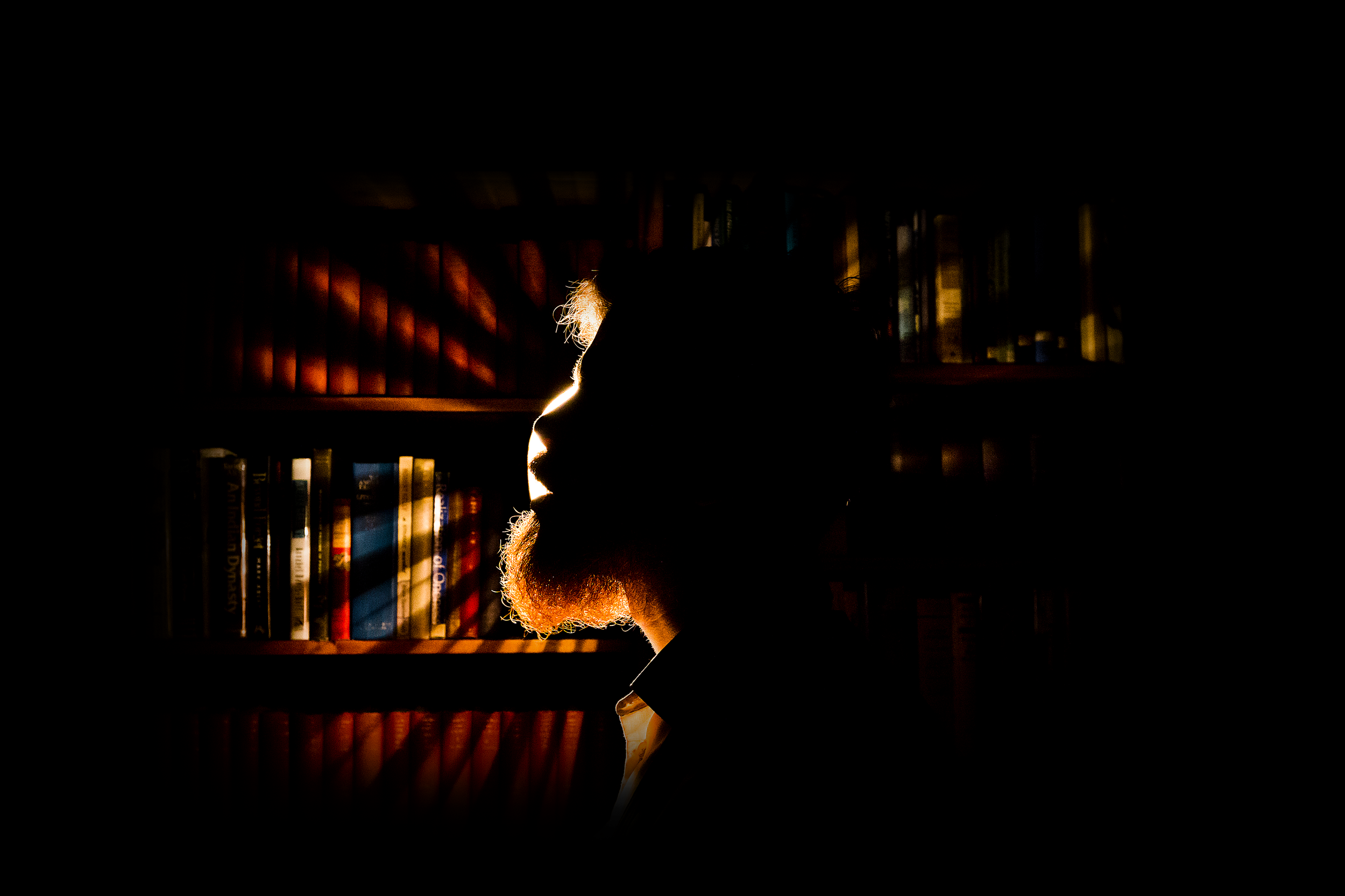
Figure 6. Trick of The Light. (n.d). The Bookbinder. No photographer credited. https://www.trickofthelight.co.nz/shows/the-book-binder
Reference List
Björk. (n.d). About Fossora. Fossora. https://www.fossora.com/
Bjork. (2024). Sonic Magic. Purple Magazine, The Magic Issue 42. Retrieved from https://purple.fr/magazine/the-magic-issue-42-f-w-2024/sonic-magic/
E. Wyn James. (2005). Painting the World Green: Dafydd Iwan and the Welsh Protest Ballad. Folk Music Journal, 8(5), 594–618. http://www.jstor.org/stable/4522747
Heath, C. (2011, October 17). Lars and His Real Girls. GQ. Retrieved from https://web.archive.org/web/20161210071425/http://www.gq.com/story/lars-von-trier-gq-interview-bjork-john-c-reilly-kirsten-dunst-nicole-kidman-extras
Ministry for the Environment. (2026). New Zealand’s Greenhouse Gas Inventory: Snapshot (1990–2024). https://environment.govt.nz/assets/publications/GhG-Inventory/GHG-Inventory-2026/GHG-Inventory-2026-Snapshot.pdf
Park, S. J. (n.d). Costume Design. The Green Theatre Touring Guide. https://www.greentheatre.co.nz/articles/costume-design
Pelly, Jenn. (2012, January 13). Watch Björk's Biophilia Education Program in Action. Pitchfork. https://pitchfork.com/news/45096-watch-bjorks-biophilia-education-program-in-action/
Susdorf, M. (2017). Björk’s Biophilia A Musical Introduction to Feminist New Materialism. Junctions: Graduate Journal of the Humanities, 2(2), 113–125. https://junctionsjournal.org/articles/39/files/submission/proof/39-1-131-1-10-20190119.pdf
Trick of The Light. (n.d). About Us. https://www.trickofthelight.co.nz/aboutus
Waziyatawin., & Yellow Bird, M. (2012). For Indigenous Minds Only: A Decolonization Handbook. University of New Mexico Press.
Wellington Theatre Awards. (2011). Wellington Theatre Awards 2011. https://wellingtontheatre.wixsite.com/awards/2011
Wikipedia contributors. (2026, April 18). Björk. Wikipedia. https://en.wikipedia.org/wiki/Bj%C3%B6rk#cite_note-debutturns-176
Worldometers. (n.d). CO2 Emmissions per Capita. https://www.worldometers.info/co2-emissions/co2-emissions-per-capita/